We recently submitted our planning application for 68-71 Newman Street.
We recently submitted our planning application for 68-71 Newman Street.
We recently submitted our planning application for 68-71 Newman Street.
We recently submitted our planning application for 68-71 Newman Street.
In Conversation | 04.02.24
Written by Daytrip / Georgie Andrews
In Conversation with Daytrip: Exploring the London-Based Interiors Studio's Approach to Office Design
We avoid trends as much as possible, although today we are saturated with imagery through social media, Pinterest and design blogs.
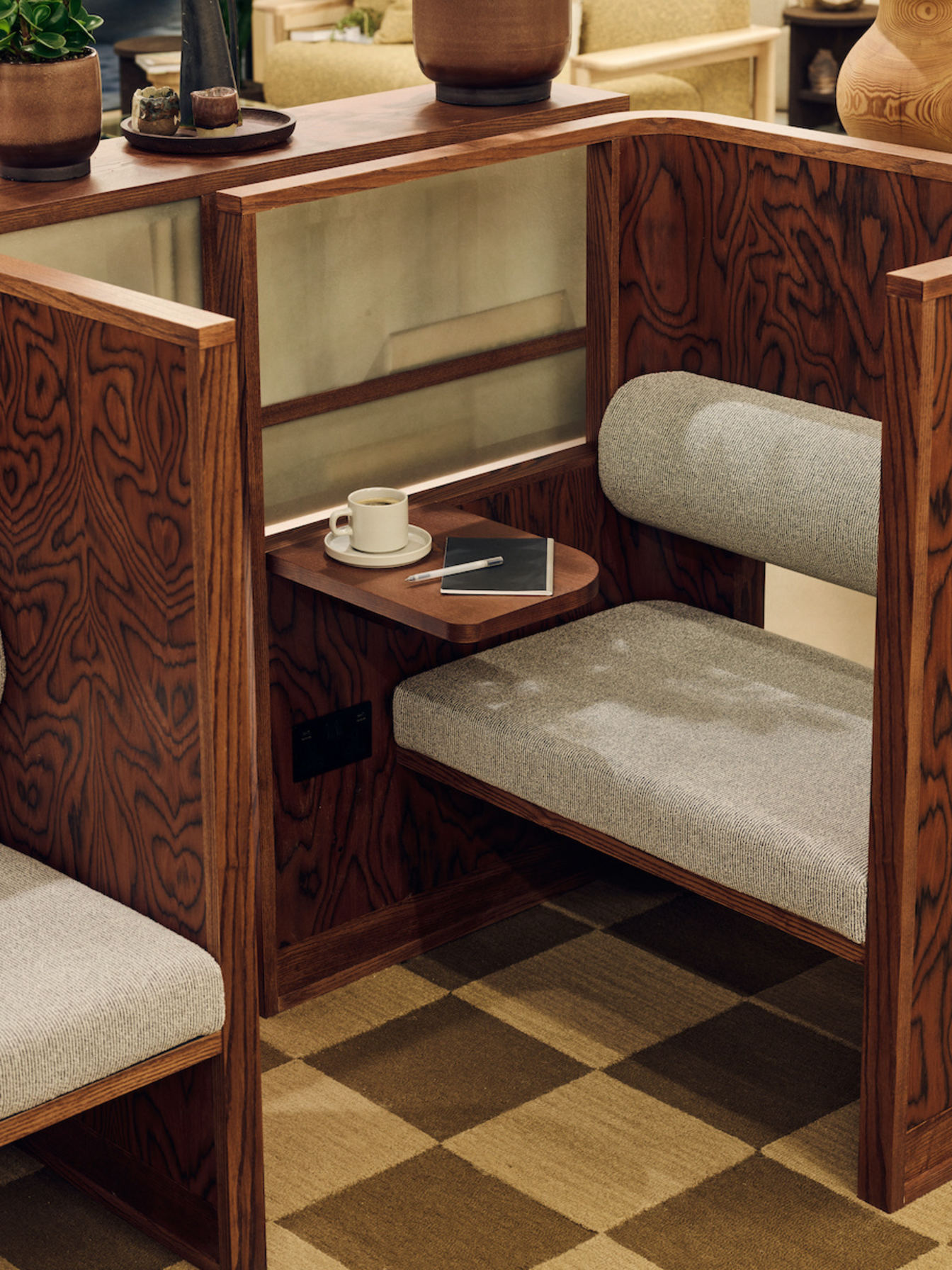
With each project, we aim to create special and unique interiors which reflect the client and the existing architecture. We carefully explore materials that express tactility or evoke memories and senses. Natural and environmentally conscious materials are always important to us and they bring honesty and warmth to our spaces.
Many materials offer multiple sensory offerings, whether this is acoustic benefits or a visually striking natural patina, we aim to enhance spaces with layers of intrigue, often contrasting this with playful furniture pieces or contemporary artworks that add elements of surprise.
And what about colour textures? Have we seen the end of beige walls, Ikea desks, and off-the-shelf products? Even down to the mugs and cutlery provided.
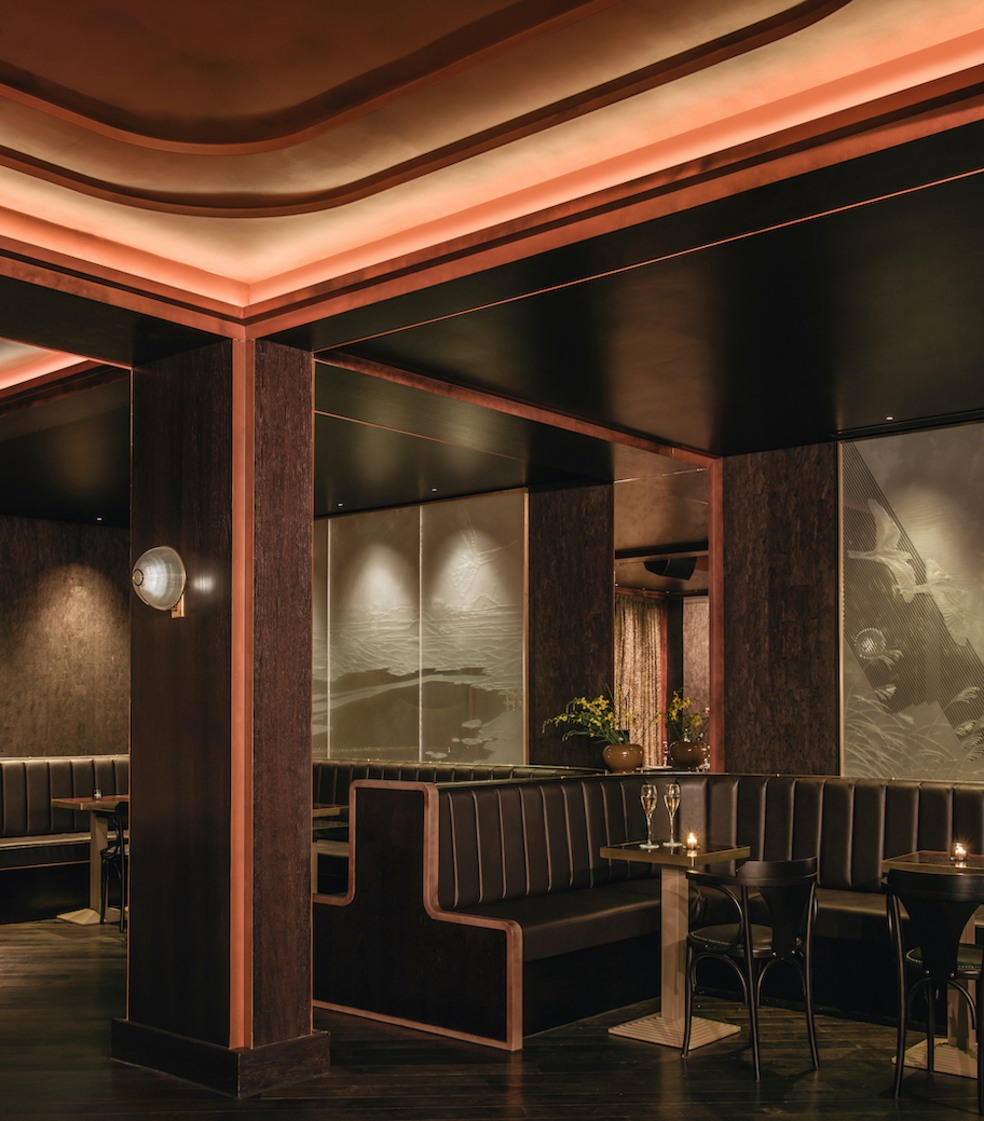
Colours play an important part in our daily life, we are influenced by harmonious colours in nature and our interiors often capture the earthy tones or natural greens. We are also drawn to more optimistic and playful colour combinations that alert our senses and remind us of nostalgic spaces or locations we may have visited abroad. Texture is incredibly important in spaces to enhance a tactile quality and comfort. Your eyes are drawn to contrasts, whether that is hard and soft, matt or gloss, old or new, our eyes absorb all this nuances. Our offices don’t been to be grey and dull, corporate boxes, they can be designed to inspire our daily lives.
There are amazing designers and artisans creating beautifully crafted and well-designed furniture and products that are made locally or in the UK, it feels disappointed to specify endless mass-produced products for office spaces.
As mentioned previously, natural materials are always preferred whether this is timber, stone, clay, glass etc, their natural patination is visually appealing and we look to specify finishes that have low-impact on the environment so we check the process and factories before specifying.
We seek to use recycled or repurposed materials where possible in our interiors, our bespoke joinery can be constructed in solid surface materials that don't chip easily or can be retained and resurfaced easily, for the Black and White Building we used Richlite, a recycled paper composite for the kitchens. It not only has a beautiful mottled caramel tone, its is made of recycled paper and is a durable surface for kitchens. We also aim to specify local furniture without shipping from far afield. Understanding each products footprint is difficult but our studio is gradually learning where finishes and furniture originates and what impact they have on the environment. It is a learning curve but totally worth the effort.
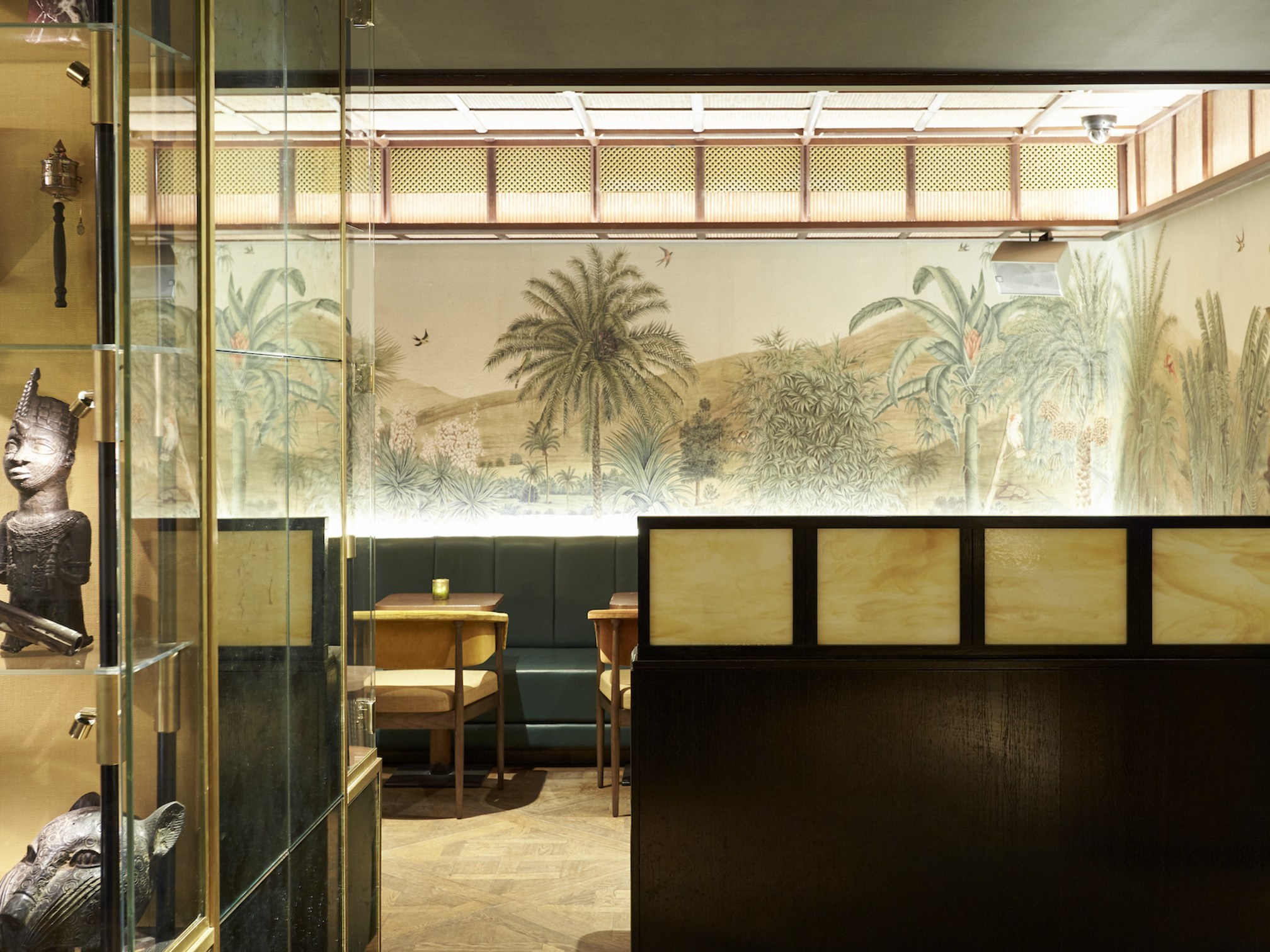
We spent time understanding how office spaces are evolving and how different sectors work efficiently. We observed that many people are 'office nomads’ - not always tied to their desks but working on laptops and mobile devices in different modes of work. Spaces should enable flexible, intimate spaces for private or group zoom calls with efficient, integrated technology and acoustics. We also see the benefit of breakout spaces for discussion and social groupings that aid communication and mental health.
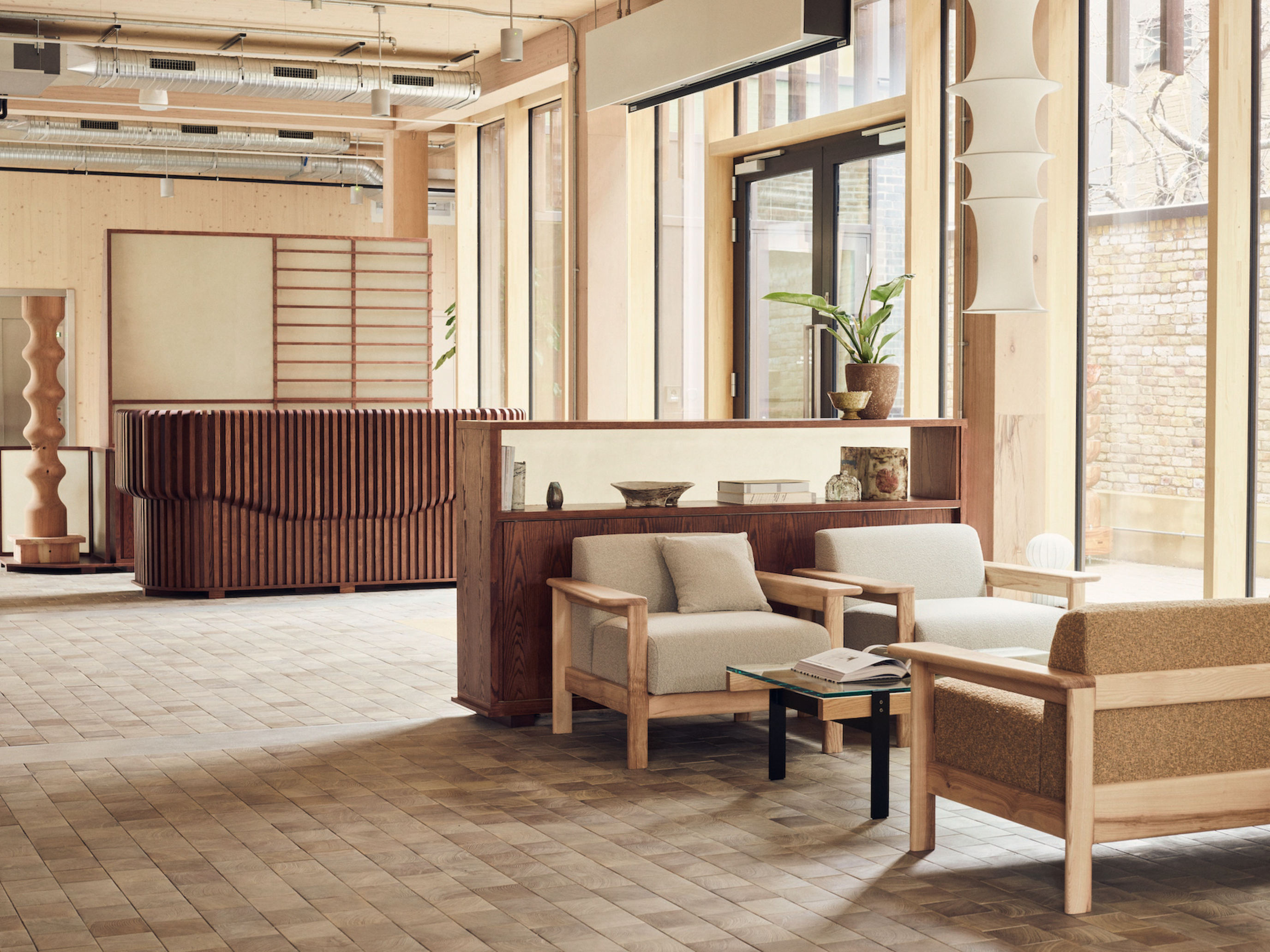
With many design projects, maintaining and upholding to a budget can be tricky. The common repercussion is to make value engineered solutions and cost cuts through cheaper materials - laminates, veneers etc, the longevity and durability is sacrificed as they can be easily chipped and wear quickly, whereas solid surfaces and natural materials are more resistant and the patina with age is more desirable. The efforts to convince clients to make these choices in the long run will ultimately be beneficial and more sustainable. As interior designers we are also aware that the life-time of an interior can be short, especially when dictated by current trends. Be cautious about what you are specifying, will it look good in five years time or is it a fleeting trend that may date quickly. Simple, honest and quality interiors will always stand the test of time
We avoid trends as much as possible, although today we are saturated with imagery through social media, Pinterest and design blogs. We feel a strong, characterful interior should reflect the existing architecture - whether this is an old building or a new, contemporary development, we seek to explore the architectural values; materiality, details, enhance natural daylight etc, these elements should be the forefront of the design approach, we try not to push current trends, but they often appear later in the process through patterned or textured upholstery, vintage or unique furniture pieces and ultimately the playful and interesting styling items.